
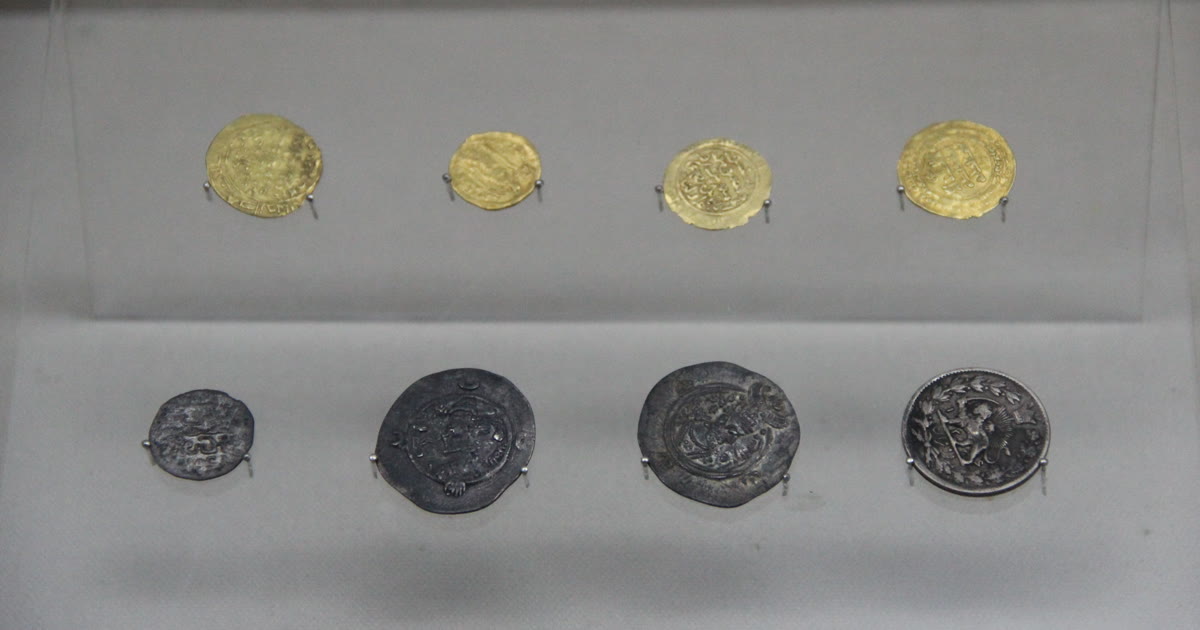
The gold–silver ratio is ordinary arithmetic: gold’s price divided by silver’s price on a dated print. It does not invent a mint statute. It does not freeze a bimetallic legal number. It only reports how many ounces of silver one ounce of gold buys at that quote.
Readers sometimes treat the ratio as a forecast machine. These pages do not. A quotient can sit still while both metals move, or jump when one print shifts. The claim on the Markets page is the dated figure and its sources — not a band that “must” return.
When the question is law rather than quote — two metals under one mint ratio — open bimetallism. When the question is England’s 1717 Mint arithmetic, open the Newton note. Keep the jobs separate: market print here, statute story there.