
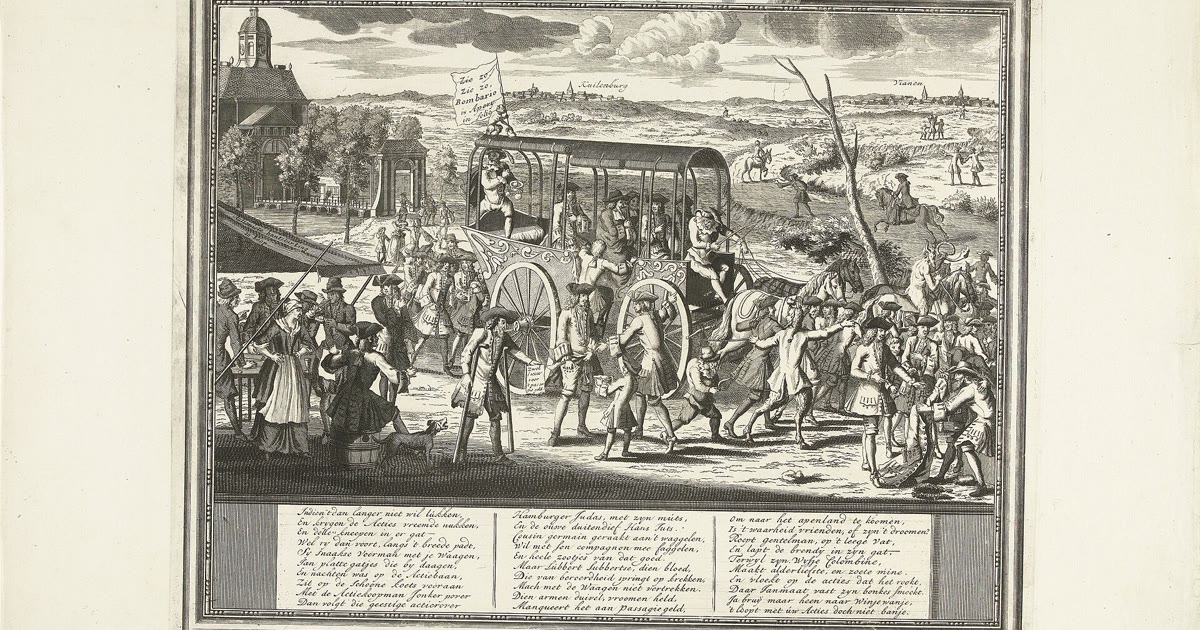
On the rue Quincampoix in late 1719, Paris priced a dream: Mississippi Company shares that multiplied while Banque Royale notes poured into the same crowd. Rentiers, servants, and foreign visitors pressed for subscriptions. Coin still mattered in the till. For a season, paper and equity felt like the same fortune.
John Law’s System fused a note-issuing bank with a rising colonial trading company under the Regency of Philippe d’Orléans. In 1719–1720 notes and shares inflated together. The bust of 1720 was a paper-and-shares collapse under a court seeking relief from war debt.
A Scot at the Regent’s table
John Law (1671–1729) was a Scottish financier and monetary theorist. He argued that carefully issued paper, tied to sound assets and trade, could expand credit beyond scarce coin. After exile and years on the Continent, he gained the ear of the French Regent in the years after Louis XIV’s death.
France carried heavy public debts from long wars. Tax revenues strained. Coin was hoarded or exported when confidence slipped. Law offered a modern-sounding fix: a bank that issued notes, and a company that could absorb state debt while developing colonial trade around the Mississippi basin and Louisiana.
His early proposals stressed order, reserves, and commerce — a reform of credit, not a carnival from day one. Political need and market mania then outran those restraints. The System grew by stages — bank notes, company shares, debt conversion, monopoly privileges — until the pieces locked together and broke.
Bank notes and company shares
In 1716 Law founded the Banque Générale. It was later reorganized as the Banque Royale when the crown took a closer grip. The bank issued notes payable in coin under stated rules. Those notes circulated as a convenient claim on metal, not as metal itself.
Alongside the bank stood the company later known as the Mississippi Company — first the Compagnie d’Occident, then the Compagnie des Indes after mergers with other trading privileges. It held rights over colonial trade and related monopolies. The state used the company to refinance debt. Creditors were steered into shares instead of older claims on the treasury.
The two instruments were different. A bank note promised to pay in coin, subject to the bank’s rules and reserves. A share was ownership in the company, priced in the market and fed by dividends, privileges, and speculation. Law’s danger was fusion. When the same political machine pushed both, a rise in shares felt like proof that notes were sound — and plentiful notes made shares easier to bid up.
How the bubble inflated
Through 1719 the company’s privileges widened. Debt-conversion schemes pulled more rentiers into shares. Share prices rose with extraordinary speed. New issues and subscriptions absorbed paper wealth that had nowhere else to go under the Regent’s policy mix.
Note issue expanded as the System tried to keep credit easy and share markets firm. Luxury spending rose in Paris. Speculators crowded the rue Quincampoix. Foreign visitors described a city obsessed with subscriptions and price talk.
Metal moved the wrong way for a durable note system. Coin and bullion were drawn into the whirl, then driven out as people preferred to hold or export hard money while spending the paper. When confidence is high, notes displace coin in daily use. When confidence cracks, coin leaves circulation or leaves the country. The note becomes a claim on a thinning reserve. Law’s System leaned on confidence longer than on metal.
Peak mania sits in late 1719 and early 1720. Prices that had multiplied then struggled to find new buyers. Controls on coin, forced relations between notes and shares, and shifting decrees signaled strain rather than mastery. Peak and bust belong to that narrow window.
The collapse of 1720
In 1720 the System broke. Share prices fell from their peak. Bank notes lost credibility as convertibility and coin rules shifted under emergency decrees. Holders who could fled into metal and foreign exchange. Shops relearned to distrust paper that had been mandatory or privileged only weeks before.
Law’s political protection evaporated as losses spread through the rentier class and the court. He left France. The Regency was left with ruined paper fortunes and a long memory of “paper systems.” Later French politics would invent new paper under new names. The 1720 scar remained part of public caution.
What had inflated as a joint note-and-share machine deflated as both legs failed together. The Banque Royale’s paper could not be defended once the company’s equity story died and coin fled.
A short timeline
Bank, company, mania, bust — in that order.
- 1716: Banque Générale founded; notes payable in coin under stated rules.
- 1717–19: Compagnie d’Occident / Mississippi privileges widen; debt conversion into shares.
- 1718–19: Banque Royale; note issue and share demand reinforce each other.
- Late 1719–early 1720: Share mania peaks on the rue Quincampoix.
- 1720: Collapse — share crash, strained convertibility, flight into metal; Law leaves France.
- 1729: Law dies in Venice.
What the Regency left behind
Law’s 1720 leaves a narrow lesson. Fusing a note-issuing bank with a rising equity story can inflate both until metal drains and confidence snaps. The Mississippi Bubble was paper and shares under Regency debt politics, and it broke in a single year.
France remembered. For most of the century the word *banque* carried the smell of the rue Quincampoix. When the Revolution needed money seventy years later, it issued assignats tied to confiscated church and émigré land rather than to a trading company — a different paper, under a different regime, that failed on its own terms.